30 Magento stores
Adobe Certified developers
Magento-only since 2019
Magento Security Audit
Most Magento stores don't get attacked because of a clever exploit — they get attacked because of a missing patch, an exposed admin, or a vulnerable extension nobody checked. A security audit tells you where you actually stand: what's exposed, how serious it is, and what to fix first. It's a fixed-price, low-risk engagement — and the honest first step before you need an emergency one.
30 Magento stores
Adobe Certified developers
Magento-only since 2019
Magento Security Audit
Most Magento stores don't get attacked because of a clever exploit — they get attacked because of a missing patch, an exposed admin, or a vulnerable extension nobody checked. A security audit tells you where you actually stand: what's exposed, how serious it is, and what to fix first. It's a fixed-price, low-risk engagement — and the honest first step before you need an emergency one.
30 Magento stores
Adobe Certified developers
Magento-only since 2019
Magento Security Audit
Most Magento stores don't get attacked because of a clever exploit — they get attacked because of a missing patch, an exposed admin, or a vulnerable extension nobody checked. A security audit tells you where you actually stand: what's exposed, how serious it is, and what to fix first. It's a fixed-price, low-risk engagement — and the honest first step before you need an emergency one.
Know where you stand — before someone else finds out
A Magento store is a high-value target with a large attack surface: the core, every extension, the admin, the server and the payment flow. Each is a place a problem can hide. The merchants who come to us for an audit are usually in one of three places:
Being cautious — nothing's wrong, but the store handles payments and customer data, and "we think it's fine" isn't good enough to keep betting on.
Recently inherited — a store taken over from another agency or team, with no idea what's in the codebase or whether it's been kept patched.
Something feels off — odd behaviour, a hosting warning, a failed compliance check, or just the nagging sense the store hasn't been looked after.
A fixed-price audit answers the question cleanly, and you own the report whatever you do next.
What we fix
What the audit covers
Core Web Vitals
Patch & version review
LCP, TBT, INP and CLS — profiled and fixed at the source. On Magento that often means the frontend stack itself, where a Hyvä rebuild can move the numbers furthest.
Which Magento security patches and CVE advisories are missing, how exposed each gap leaves you, and what applying them involves.
Faceted navigation SEO
Extension security check
The classic Magento problem: layered navigation generating thousands of crawlable filter URLs that bury your real pages and burn crawl budget. We bring it under control with the right canonical, robots and indexing rules.
Third-party extensions reviewed for known vulnerabilities and risky code — often where the real exposure hides, since they're rarely audited after install.
Schema & structured data
Admin hardening
Product, breadcrumb, review and organisation schema in clean JSON-LD — so your listings are eligible for rich results and Google reads the page the way you mean it.
The admin panel: custom admin URL, two-factor authentication, IP whitelisting, session and permission settings — closing the easiest way in.
URL structure & canonicals
Code & dependency scan
Sane URL rewrites, correct canonical tags, and a clean redirect history — the structural hygiene Magento makes surprisingly easy to get wrong.
The codebase and composer.lock reviewed for known-vulnerable dependencies, plus common flaws — XSS, SQL injection, CSRF — in custom code.
hreflang & multi-store
Magecart & skimmer check
International setups done right — hreflang across store views, per-region canonicals, and the duplicate-content handling that multi-store Magento demands.
Checking for the card-skimming code that targets checkout specifically — the Magecart-style attack that quietly steals payment data from compromised stores.
Indexing & crawl budget
PCI & compliance gaps
Diagnosing what Google is and isn't indexing, fixing what's blocking it, and making sure crawl budget lands on the pages that earn revenue — not on filter noise
Where the store stands against PCI DSS expectations, which gaps the audit can guide you to close, and which point to deeper remediation.
What you receive
A written technical SEO audit with prioritised, Magento-specific findings
Faceted navigation brought under control — crawl budget protected
Core Web Vitals measured and improved against your baseline
Clean schema, canonicals, URL structure and redirect configuration
hreflang and multi-store handling where you sell across regions
Indexing issues diagnosed and fixed at the platform level
Documentation of what was changed and why
The audit produces one clear deliverable: a written security report you can act on, share with stakeholders, and keep.
A prioritised list of findings — critical, high, medium, low — so you fix the dangerous things first
For each finding: what it is, how exposed it leaves you, and what fixing it involves
Missing patches and vulnerable dependencies identified by name
Admin and server hardening recommendations, concrete and actionable
A PCI-gap summary where payment compliance is in scope
A clear next step — what you can do yourself, and what needs developer time
We don't hand over a black box. The codebase is yours, documented and maintainable — whether you stay with us or take it elsewhere.
The report is yours regardless of whether we do the fix work — even if you take it to another team. That's the point of a fixed-price audit: an honest assessment with no obligation attached.
What we have built
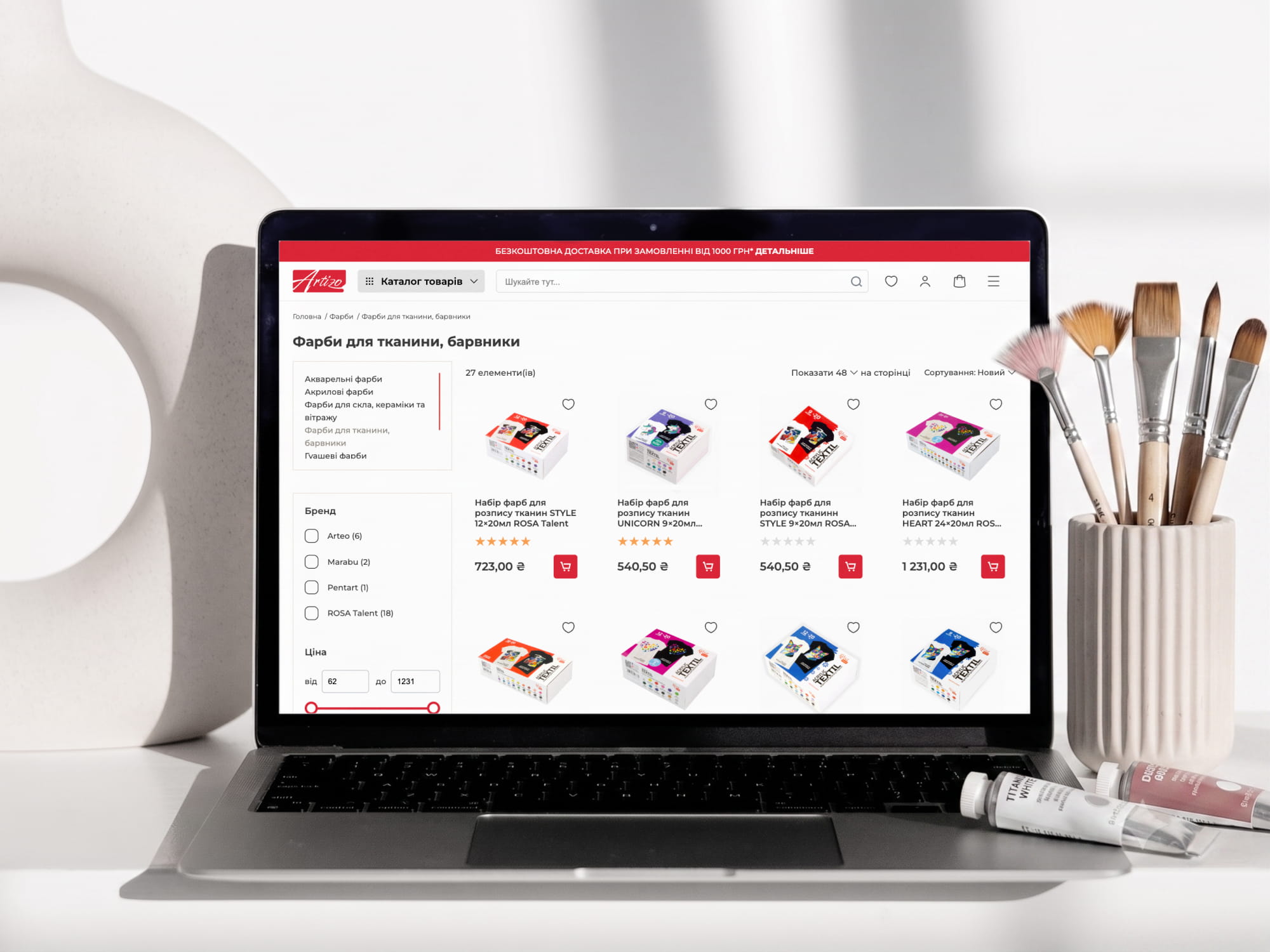
A real platform migration — Shopify to Magento 2, with the data and rankings kept whole.
Related services
For serious or urgent findings — audit-first stabilisation of an exposed or compromised store.
Make security routine — SLA-backed patching, monitoring and hardening so problems are caught early.
Worried about code quality and stability as well as security? A deeper review of the codebase itself.
For serious or urgent findings — audit-first stabilisation of an exposed or compromised store.
Make security routine — SLA-backed patching, monitoring and hardening so problems are caught early.
Worried about code quality and stability as well as security? A deeper review of the codebase itself.
For serious or urgent findings — audit-first stabilisation of an exposed or compromised store.
Make security routine — SLA-backed patching, monitoring and hardening so problems are caught early.
Worried about code quality and stability as well as security? A deeper review of the codebase itself.
Common Qs
Get quick answers about working with us and our approach to digital solutions. Can’t find what you’re looking for? Reach out below!
Common Qs
Get quick answers about working with us and our approach to digital solutions. Can’t find what you’re looking for? Reach out below!
What is included in a Magento security audit?
A review of missing patches and CVE exposure, third-party extension vulnerabilities, admin hardening (2FA, custom admin URL, IP whitelisting), a code and dependency scan for known issues, a Magecart-style skimmer check, and a PCI-gap summary where payments are in scope. You receive a written, prioritised report.
How much does a Magento security audit cost?
It's a fixed-price engagement — you know the cost up front, with no open-ended billing. The figure depends on store size and complexity. It's deliberately low-risk: far cheaper to audit now than to clean up after an incident.
How long does a Magento security audit take?
Most audits take a few days to a couple of weeks depending on store size and how many extensions and custom modules need reviewing. You get the written report at the end — not a vague verbal "looks fine."
Can you help fix issues after the audit?
Yes, if you want us to — through a Rescue engagement for urgent issues or a Support retainer for ongoing hardening. But there's no obligation. The report is yours, and many clients act on it with their own team. The audit is valuable on its own.
Do you do penetration testing?
A security audit and a full penetration test are different things. Our audit is a thorough vulnerability assessment — code, configuration, dependencies, admin and PCI gaps. A full external pentest is a separate, specialist exercise; if you need one, we'll tell you honestly and help you scope it rather than pretending an audit covers it.
Is my Magento store PCI compliant?
The audit tells you where you stand against PCI DSS expectations and which gaps to close — but full PCI compliance involves your payment setup, hosting and processes beyond the store code alone. We're honest about which gaps the audit can guide you to fix and which need broader remediation.
What is included in a Magento security audit?
A review of missing patches and CVE exposure, third-party extension vulnerabilities, admin hardening (2FA, custom admin URL, IP whitelisting), a code and dependency scan for known issues, a Magecart-style skimmer check, and a PCI-gap summary where payments are in scope. You receive a written, prioritised report.
How much does a Magento security audit cost?
It's a fixed-price engagement — you know the cost up front, with no open-ended billing. The figure depends on store size and complexity. It's deliberately low-risk: far cheaper to audit now than to clean up after an incident.
How long does a Magento security audit take?
Most audits take a few days to a couple of weeks depending on store size and how many extensions and custom modules need reviewing. You get the written report at the end — not a vague verbal "looks fine."
Can you help fix issues after the audit?
Yes, if you want us to — through a Rescue engagement for urgent issues or a Support retainer for ongoing hardening. But there's no obligation. The report is yours, and many clients act on it with their own team. The audit is valuable on its own.
Do you do penetration testing?
A security audit and a full penetration test are different things. Our audit is a thorough vulnerability assessment — code, configuration, dependencies, admin and PCI gaps. A full external pentest is a separate, specialist exercise; if you need one, we'll tell you honestly and help you scope it rather than pretending an audit covers it.
Is my Magento store PCI compliant?
The audit tells you where you stand against PCI DSS expectations and which gaps to close — but full PCI compliance involves your payment setup, hosting and processes beyond the store code alone. We're honest about which gaps the audit can guide you to fix and which need broader remediation.